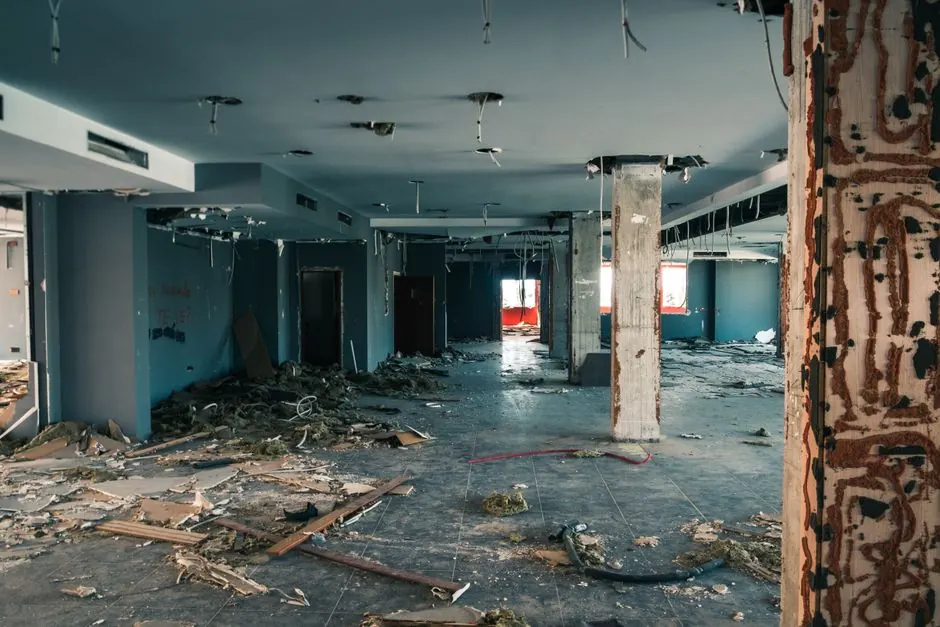
Water damage can be a homeowner's worst nightmare, especially when it affects the ceiling. If you find yourself facing this issue in Lake Nona, it's crucial to act quickly to prevent further damage and mold growth. This guide will walk you through the process of drying out a ceiling after water damage, including the best methods and techniques to use. We'll also cover when it's time to call in professionals to assist with the situation.
Understanding Water Damage
Water damage can arise from various sources, including plumbing leaks, roof leaks, or even flooding. In Lake Nona, heavy rains during the summer months can lead to unexpected leaks that affect your ceiling. Understanding the source of the water damage is vital for effective remediation. Common signs of water damage include:
- Discoloration or staining on the ceiling
- Peeling paint or wallpaper
- Bulging or sagging areas
- Mold growth
Identifying the source will help you address the problem at its root and prevent future occurrences.
Initial Steps to Take
Once you've identified water damage, the first step is to stop the source of the water. If it's a plumbing issue, shut off the water supply. If it's a roof leak, consider placing a tarp over the affected area until repairs can be made. After securing the source, follow these initial steps:
- Remove any furniture or belongings from the area to prevent further damage.
- Use a bucket or container to catch any dripping water.
- Turn off electrical power to the affected area to ensure safety.
These actions will help minimize damage and prepare the area for drying.
Best Methods for Drying Out Ceilings
Drying out a ceiling after water damage in Lake Nona requires a systematic approach. Here are some effective methods:
1. Air Circulation
Increase air circulation in the affected area. Open windows and doors to allow fresh air to flow in. Use fans to direct airflow toward the ceiling. This method is particularly effective in Florida's warm climate.
2. Dehumidifiers
Using dehumidifiers can significantly speed up the drying process. They help remove excess moisture from the air, which is essential for drying out a wet ceiling. Place the dehumidifier in the center of the room for maximum efficiency.
3. Remove Wet Materials
If the ceiling material is severely damaged, such as drywall, it may need to be removed. Cut out the damaged sections to allow for better airflow and drying. This is also an opportunity to inspect for mold and address it immediately.
4. Insulation Considerations
If your ceiling has insulation, it may also be affected by water damage. Wet insulation can retain moisture and promote mold growth. Consider hiring professionals for insulation removal and replacement if necessary.
Common Mistakes to Avoid
When dealing with ceiling water damage, homeowners often make mistakes that can exacerbate the situation. Here are some common pitfalls to avoid:
- Ignoring the Source: Failing to identify and fix the source of the leak can lead to recurring problems.
- Rushing the Drying Process: Taking shortcuts in drying can result in mold growth and structural damage.
- Neglecting Safety Precautions: Always turn off electricity in the affected area before starting any work.
When to Call a Professional
While many homeowners can handle minor water damage repairs, there are times when it's best to call in professionals. If you notice extensive water damage, mold growth, or structural concerns, it's advisable to seek help. Orlando Water Damage Pros specializes in ceiling water damage restoration and can provide the expertise needed to handle severe cases effectively.
Frequently Asked Questions
What are the best ways to dry out a ceiling?
Air circulation, dehumidifiers, and removing wet materials are effective methods for drying out a ceiling after water damage.
How long does it take to dry a ceiling after water damage?
The drying time can vary based on the extent of the damage and environmental conditions, but it typically takes 24 to 48 hours with proper techniques.
What should I do if my ceiling is wet?
Immediately stop the source of the water, remove any belongings from the area, and start drying with fans and dehumidifiers.
Get Help with Ceiling Water Damage Repair in Orlando
If you're dealing with ceiling water damage in Lake Nona, don't hesitate to reach out for professional help. Orlando Water Damage Pros is here to assist you with all your ceiling damage needs. Call us today at (645) 220-2036 for expert assistance.